




How to choose the best pure sine wave inverter for your business?
Selecting the right pure sine wave inverter is crucial for businesses that rely on uninterrupted and high-quality power. A pure sine wave inverter provides a clean and stable power output, essential for sensitive equipment and overall operational efficiency. However, many businesses encounter challenges when choosing the appropriate inverter. Below are six specific questions frequently asked by beginners, along with comprehensive answers to guide your decision-making process.
1. How do I accurately determine the total power requirements for my business equipment?
Calculating your business's total power needs involves summing the wattage of all devices you intend to operate simultaneously. Start by listing each piece of equipment and its corresponding power consumption, typically found on the device's label or in the user manual. For devices with motors, such as refrigerators or air conditioners, consider their surge (starting) wattage, which can be significantly higher than their running wattage. It's advisable to add a 20–30% safety margin to account for unexpected power surges and to ensure the inverter operates efficiently without overloading.
2. What are the key efficiency ratings I should look for in a pure sine wave inverter?
Efficiency is a critical factor in selecting an inverter, as it directly impacts energy consumption and operational costs. Aim for an inverter with an efficiency rating above 90%, as this indicates that a higher percentage of DC power is converted into usable AC power, minimizing energy loss. Additionally, consider the Total Harmonic Distortion (THD) rating; a THD of less than 3% ensures that the output waveform closely resembles the clean sine wave of grid electricity, which is vital for the safe operation of sensitive equipment.
3. How do I ensure compatibility between the inverter and my existing battery system?
Compatibility between the inverter and your battery system is essential for optimal performance and longevity. Verify that the inverter's input voltage matches your battery bank's voltage, which could be 12V, 24V, or 48V, depending on your setup. Additionally, ensure that the inverter supports the type of batteries you use, such as lead-acid, lithium-ion, or gel batteries, as different battery chemistries have varying charging requirements. Consult the inverter's technical specifications and, if necessary, seek advice from the manufacturer or a qualified technician to confirm compatibility.
4. What are the essential safety features to look for in a pure sine wave inverter?
Safety features are paramount to protect both your equipment and personnel. Key safety features to consider include:
Overload Protection: Prevents the inverter from operating beyond its capacity, which could lead to overheating or damage.
Short-Circuit Protection: Safeguards against electrical faults that could cause fires or equipment damage.
Low-Voltage Shutdown: Protects the battery bank by preventing deep discharge, which can shorten battery life.
Temperature-Controlled Fan: Ensures the inverter operates within safe temperature ranges, enhancing efficiency and extending lifespan.
These features help maintain the integrity of your power system and ensure the safety of your business operations.
5. How do I assess the warranty and after-sales support offered by inverter manufacturers?
A robust warranty and reliable after-sales support are indicative of a manufacturer's confidence in their product and their commitment to customer satisfaction. Look for inverters that come with warranties spanning at least one year, with some reputable manufacturers offering extended warranties of up to five years. Review the terms and conditions of the warranty to understand what is covered and any exclusions. Additionally, research the manufacturer's reputation for customer service, including responsiveness to inquiries, availability of technical support, and the ease of accessing replacement parts. Positive customer reviews and testimonials can provide valuable insights into the quality of support you can expect.
6. What are the common installation and maintenance considerations for pure sine wave inverters?
Proper installation and regular maintenance are crucial for the optimal performance and longevity of your inverter. Ensure that the inverter is installed in a well-ventilated area to prevent overheating, as inverters generate heat during operation. Avoid placing the inverter in direct sunlight or near heat sources, and ensure that the installation site is dry and free from corrosive substances. Regular maintenance should include checking and cleaning the inverter's filters and vents, inspecting cables and connections for signs of wear or corrosion, and verifying that all safety features are functioning correctly. Consult the manufacturer's maintenance guidelines and consider scheduling periodic professional inspections to address any potential issues proactively.
By addressing these specific questions and considerations, you can make an informed decision when selecting a pure sine wave inverter that aligns with your business's power requirements and operational needs.
For personalized assistance and to receive a tailored quote, please contact us at info@csinverter.com or visit our website at www.csinverter.com.


Modified Sine Wave Inverters
Do you support OEM branding?
Yes, we offer logo, packaging, and label customization.
Which types of batteries can it be used with?
It is suitable for common DC batteries such as 12V lead-acid batteries and lithium batteries. Please ensure the battery voltage matches the inverter's input voltage before use.
What devices can this inverter support?
It can power laptops, phones, cameras, and other small appliances.
Does it have protection features?
Yes, it includes overload, overheat, and short-circuit protection.
Distributor
How long does it take to become an authorized distributor?
The process typically takes 2-4 weeks, depending on the discussion and agreement finalization.
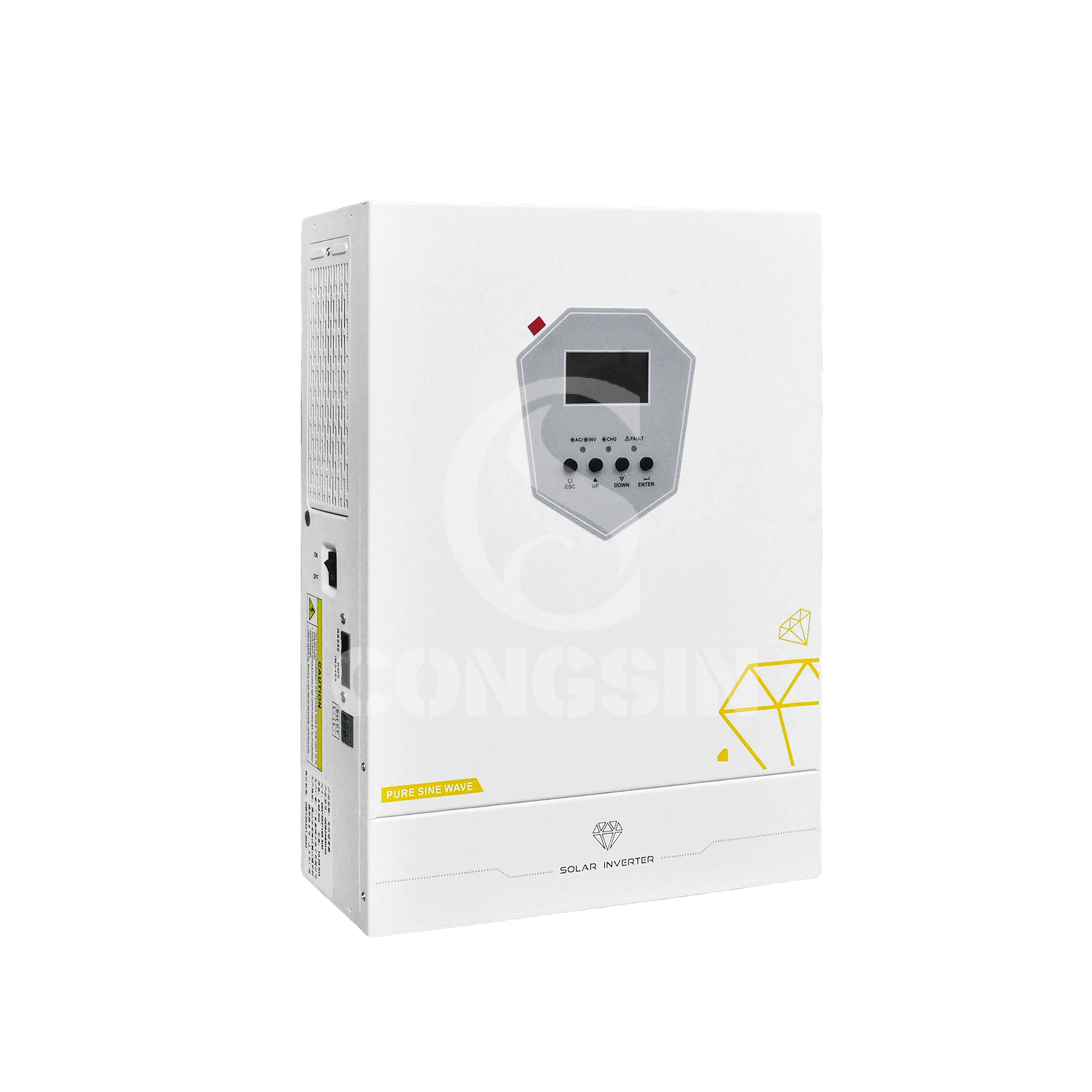
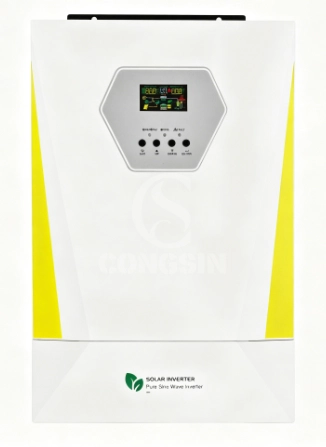
Power your solar system efficiently with the Congsin 4000W and 6000W Hybrid Inverter. Featuring an integrated MPPT Controller, this CE Certified inverter ensures optimal energy conversion. Monitor performance effortlessly via the intuitive LCD Display. Reliable, powerful, and ready for your sustainable energy needs.
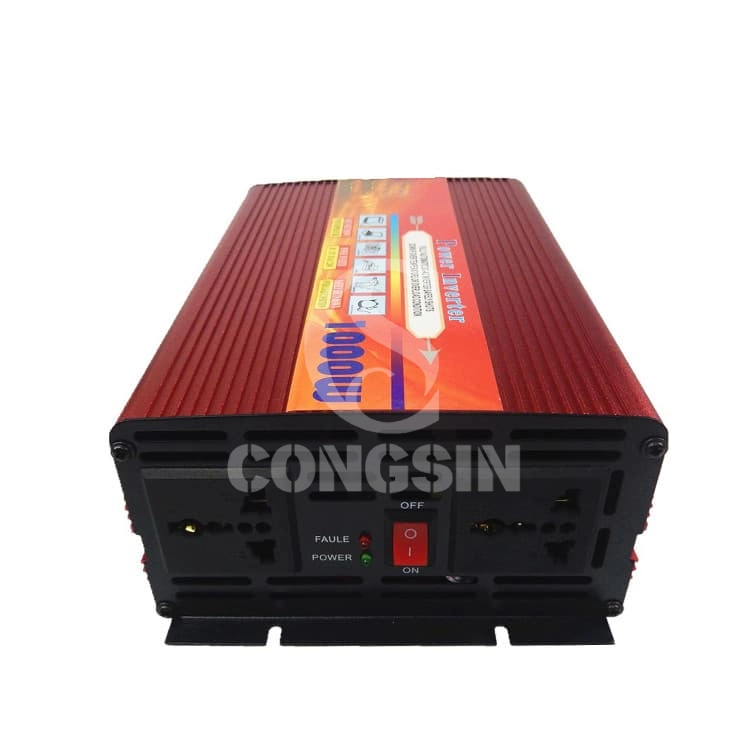
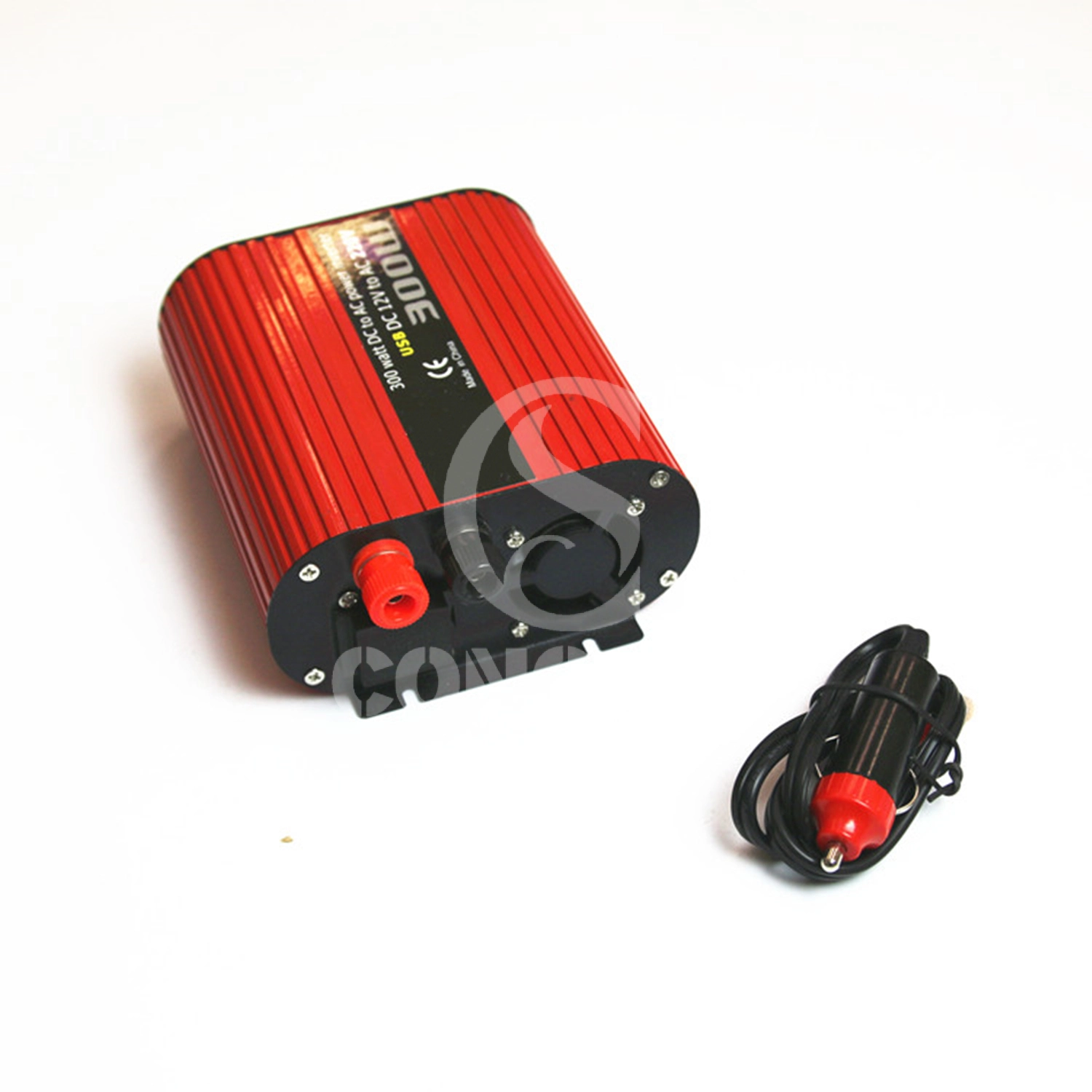
Congsin's Portable 150W Modified Sine Wave Inverter powers your journey! This versatile Car Power Inverter with USB acts as a reliable 12V to 220V converter, ensuring an essential off-grid power supply. With dual USB ports and a universal socket, enjoy convenient power on the go.
Get in Touch with Our Team
You can also communicate with us directly through our online contact form. Please fill in the following information, and our team will contact you as soon as possible after receiving your message.

CONGSIN is a trusted OEM factory for power inverters, solar charge controllers, and DC converters. Reliable solutions for global B2B buyers.
 High Quality
 7/24 Service
 Guaranteed Warranty
© 2025 Congsin. All Rights Reserved.
 WeChat
 Scan QR Code
sin cong
teaimei10
Whatsapp: +8618028086791
Scan QR Code